Granted, I am an unusual case.

‍ I am known as a scientist internationally, having had a staggeringly lucky and productive career with NASA Ames Research Center. 25 years of it was in the Experimental Aero-physics Branch (AKA the Fluid Mechanics Lab) doing scientific imaging research and development. I am the author and coauthor of many conference papers and journal articles. But publishing was never the motivating force for me, much to the chagrin of many of my colleagues. I just loved figuring out how to capture the phenomena that the ‘real’ fluids people needed for their research.

I received a BA in Industrial/Scientific Photography from Brooks Institute of Photography in 1987. My first full-time job in this career path was as a photo lab worker at NASA Ames. In 1990, I was hired as the last Civil Service Photographer by NASA, a slot I held for 7 years. I transferred to a research group and became a Photographic Technologist - an imaging system engineering position. A few years later I was retitled to Physical Scientist, holding that until I separated from the Civil Service as a GS15-9. I am an Associate Fellow in the American Institute of Aeronautics and Astronautics (AIAA), received the AIAA Ground Test Award with my colleague Ed Schairer in 2019, an Exceptional Engineering Medal from NASA, and have several patents.

Without a PhD, MS, or even a BS, I had to consider myself an artist - not a scientist. It is the only logical explanation for what I was able to accomplish. I was able to build my craft and internalize it, like an artist. I responded intuitively to the brilliant humans and their knowledge and research. Solutions to many assignments formed instantaneously, but the hard work of implementing those solutions made my job consuming. Making my flash of an idea into an instrument that provided useful data that pushed the science forward was deeply rewarding. Just like making a solid art piece. I found the art and science are two sides of the same coin. I also found that within the sciences lie huge aquafers of metaphor.

So, I present my art. Enjoy. If there is an underlined title, click on it: these are links to provide context

.

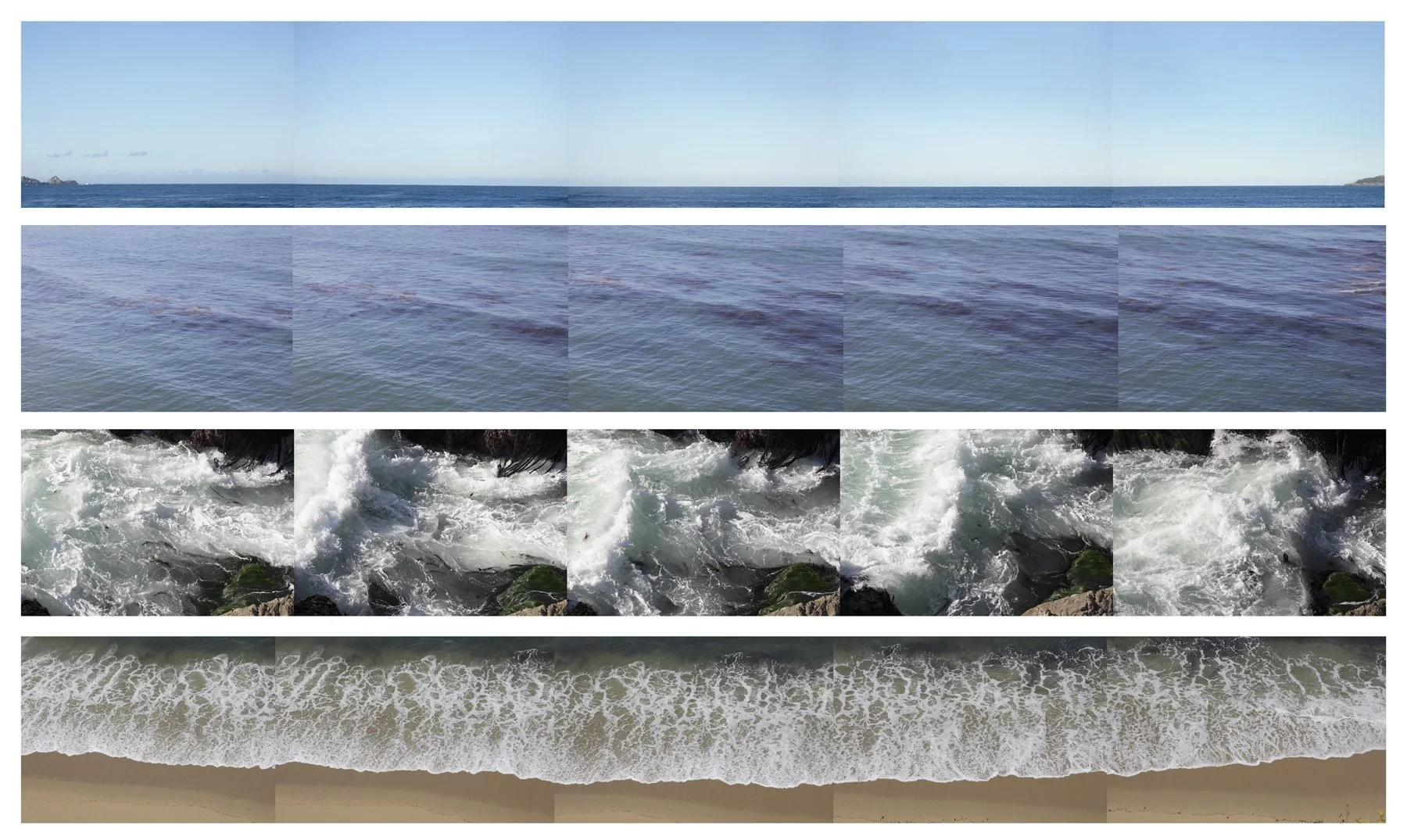
Entropy (homage to Eadweard Muybridge)

Entropy (after Eadweard Muybridge), 2020

Having gone through a photo school in the mid 1980's where 95% of the assignments were done using a 4×5 camera, I had to work in digital for many years to learn it’s inherent strengths. Digital photography is my primary practice - I can do things that simply are not possible with film only. For me to use film now requires an idea where the evocation of history is the point of the art piece - and I am not there these days. I do acknowledge that my work is a contemporary version of the Straight Photography of the f64 Group. That group celebrated what photography had beyond any other art form: sharp detail of real objects. I, too, love the sharpness that the camera can offer, but I seek to extend the credo by what digital imaging and processing can offer.

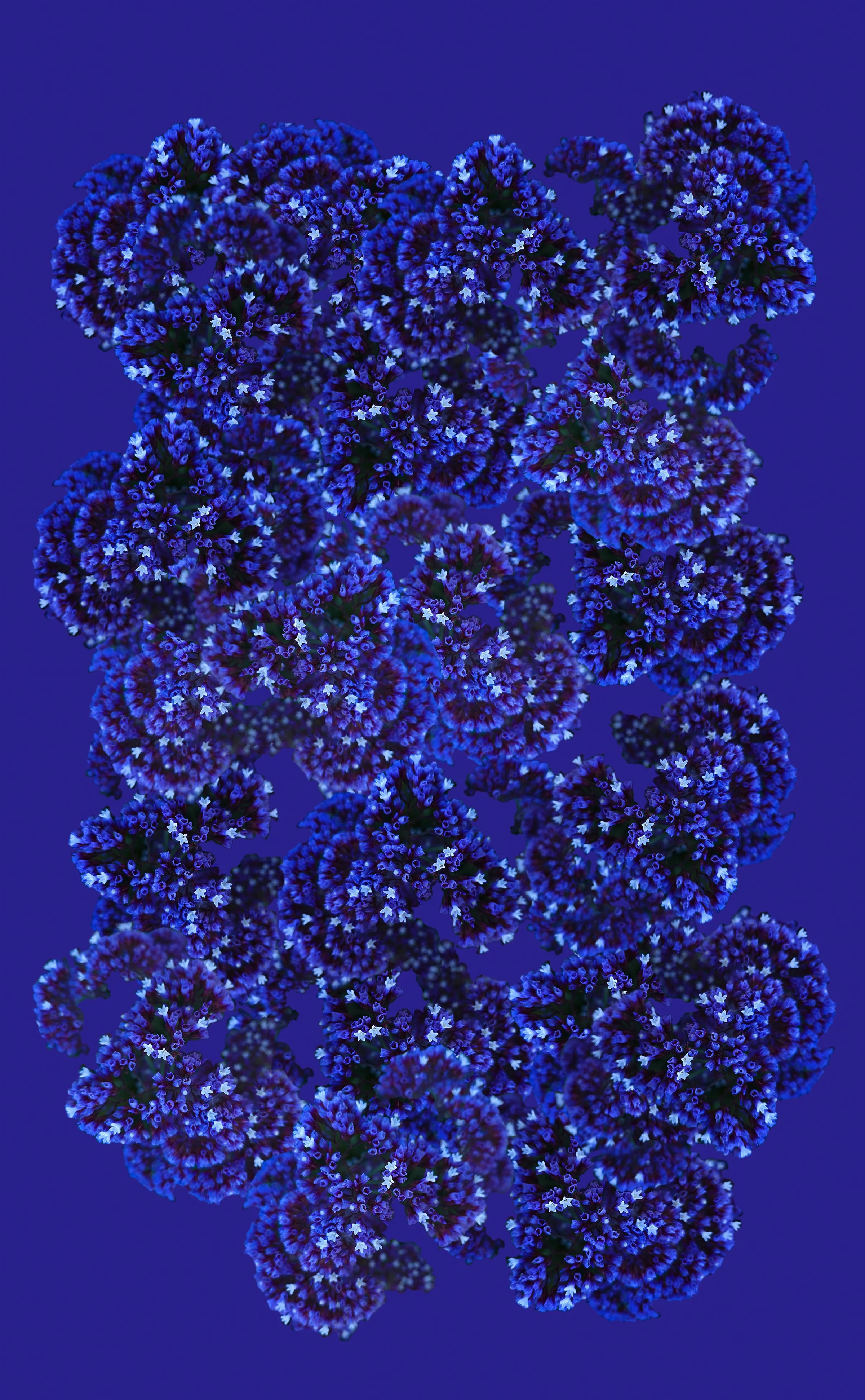
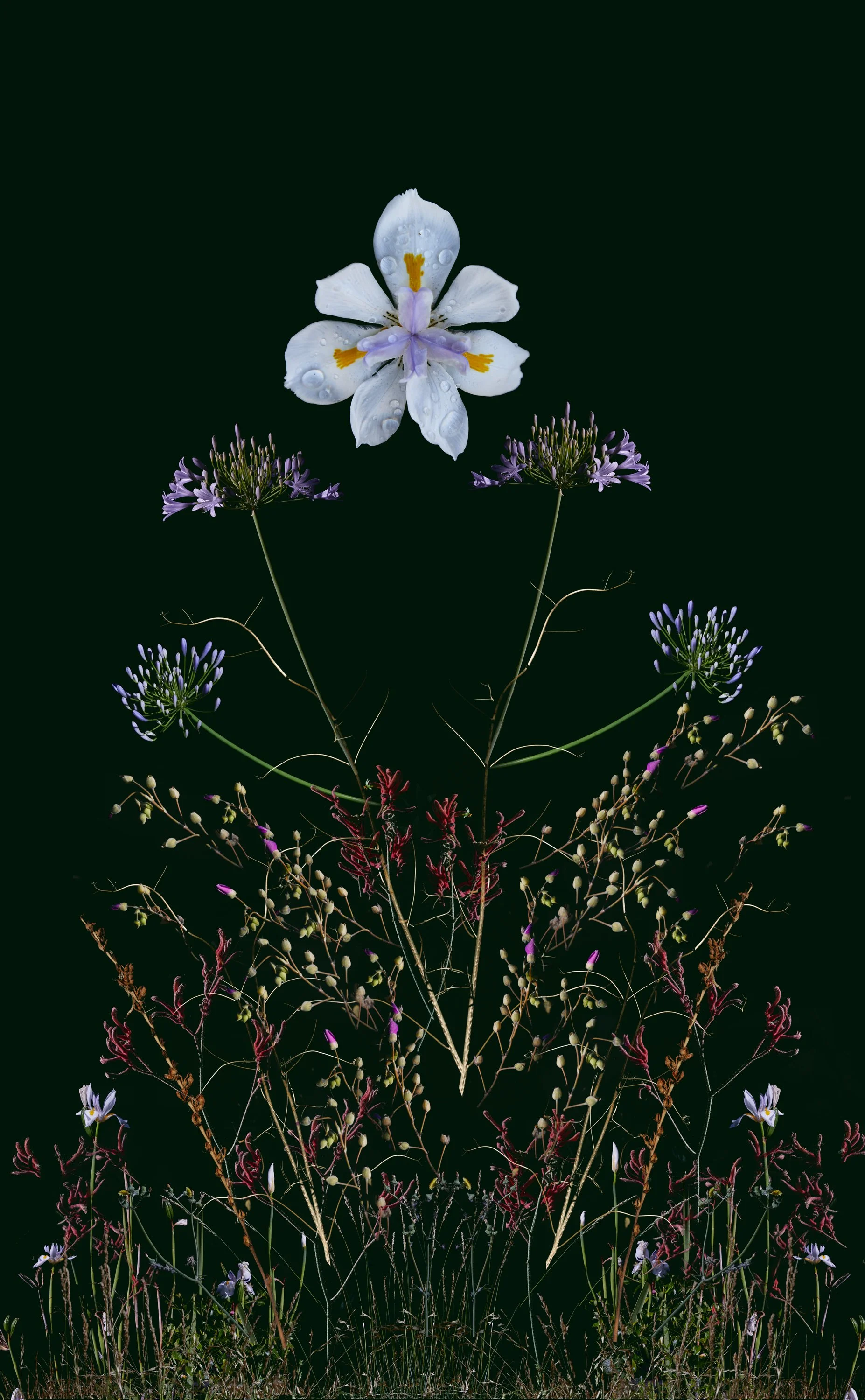
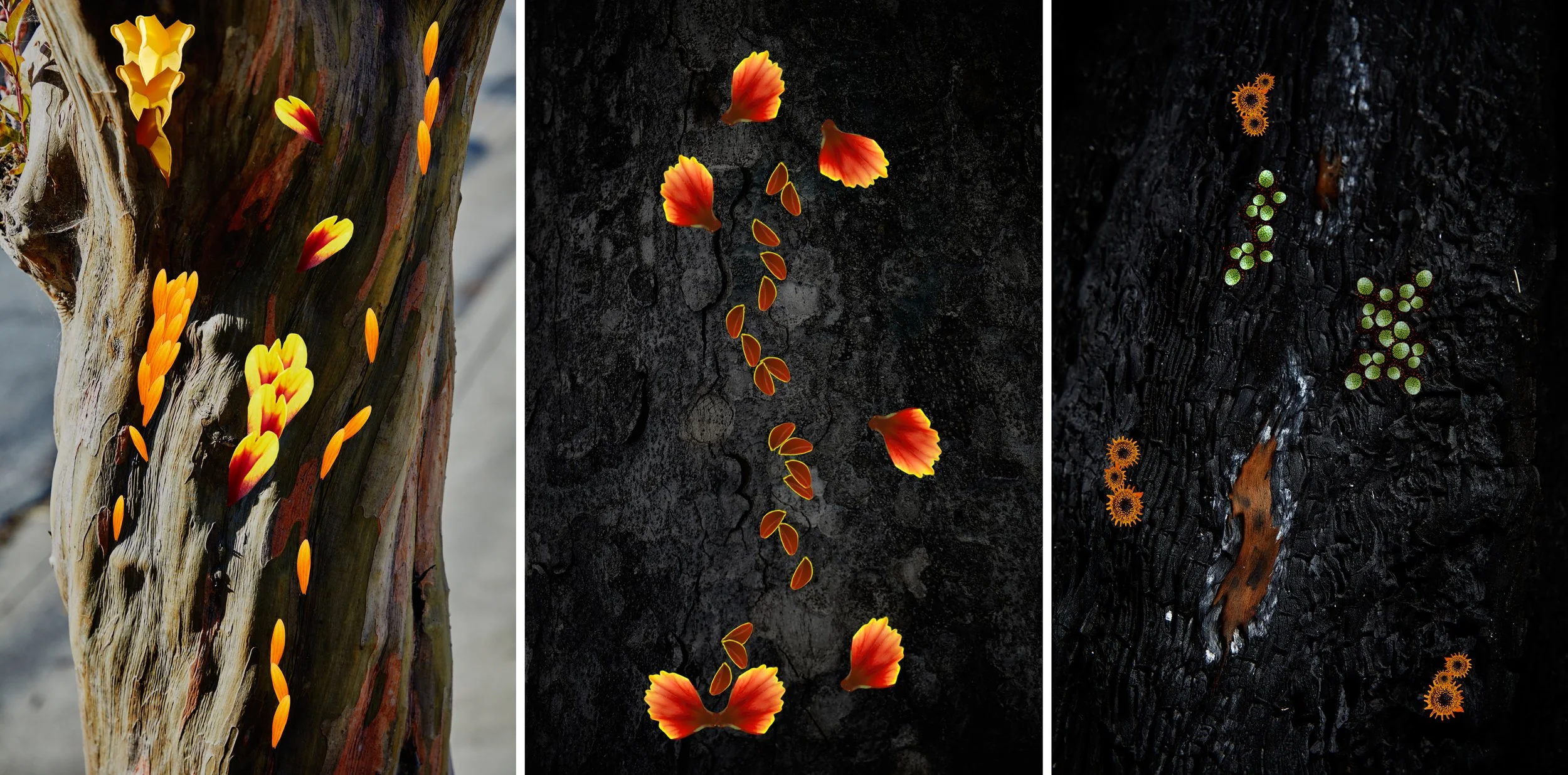
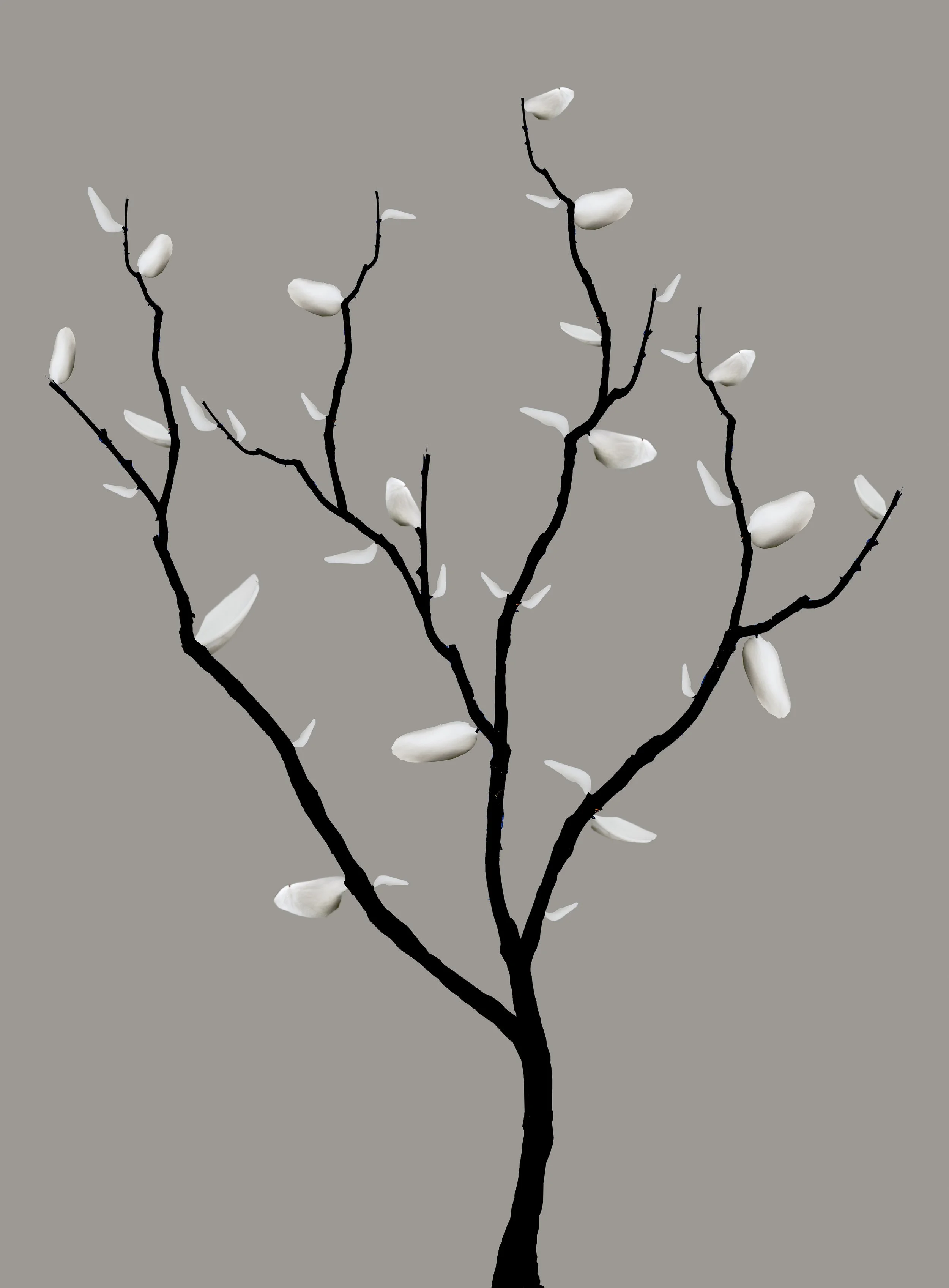
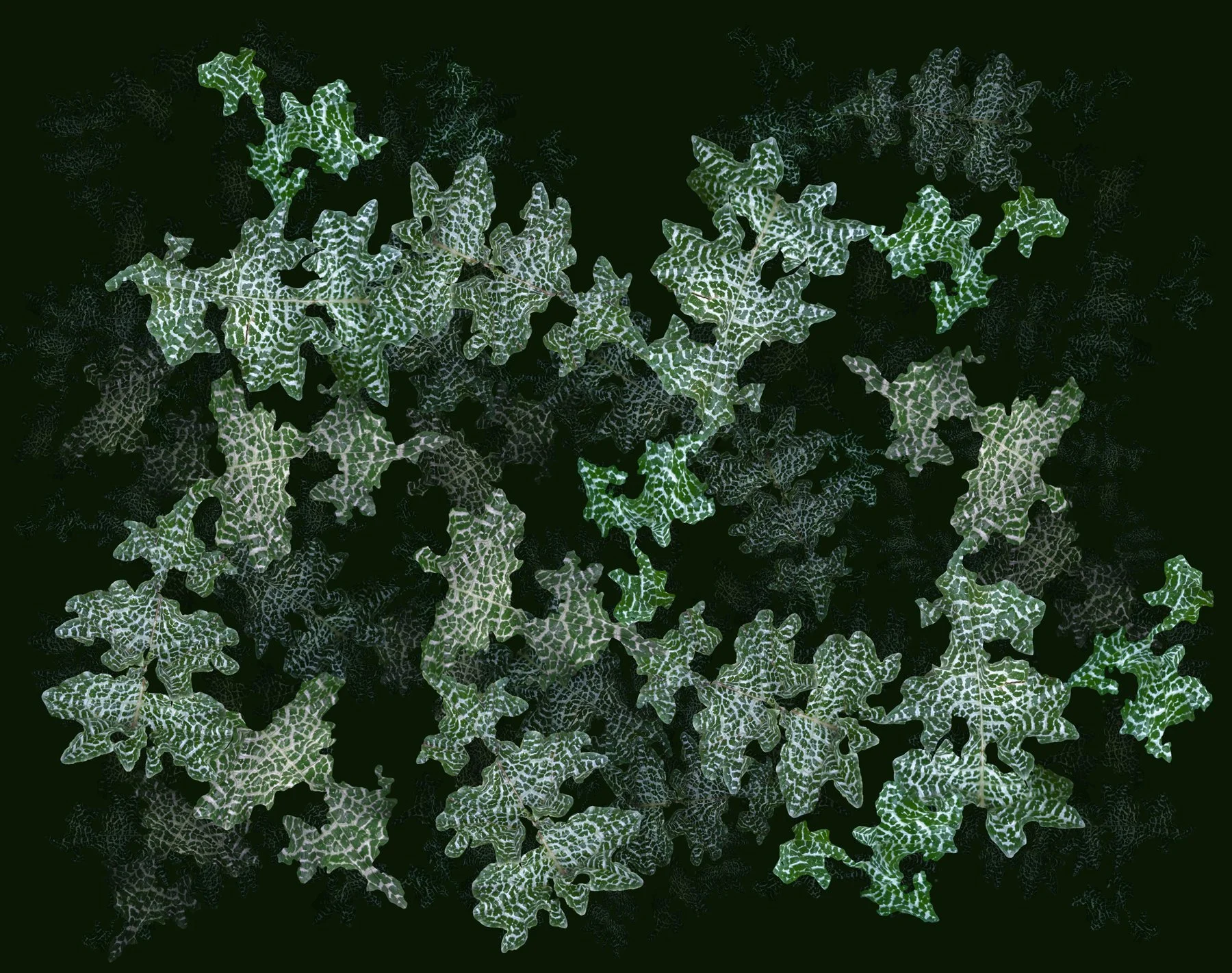
This work is based on my concept of a “visual equivalent of a musical note”. Visual artists walk through the visual clutter of life and respond to singular elements of visual stimuli. I shoot without thinking, or searching, while my mind is quiet. I take a picture after responding with enough signal above the noise to capture my attention. It is as close to a spiritual practice as I can imagine - quieting the mind, obtaining without seeking, trusting in the process. I listen to That ‘ping’ of limbic reaction, that emotional resonance that occurs before the brain can form recognition. and unthinking reaction to shoot it is the first part of the meditation. For the incantation I then extract that element in the image, paste it in a large canvas in Photoshop, copy and modify it, or add similar elements that provide more ‘voices’, and keep going until it I can see a complete piece. My goal is to try to capture as much of the psychological range of human experience as possible.

Current work: Art for the Amygdala

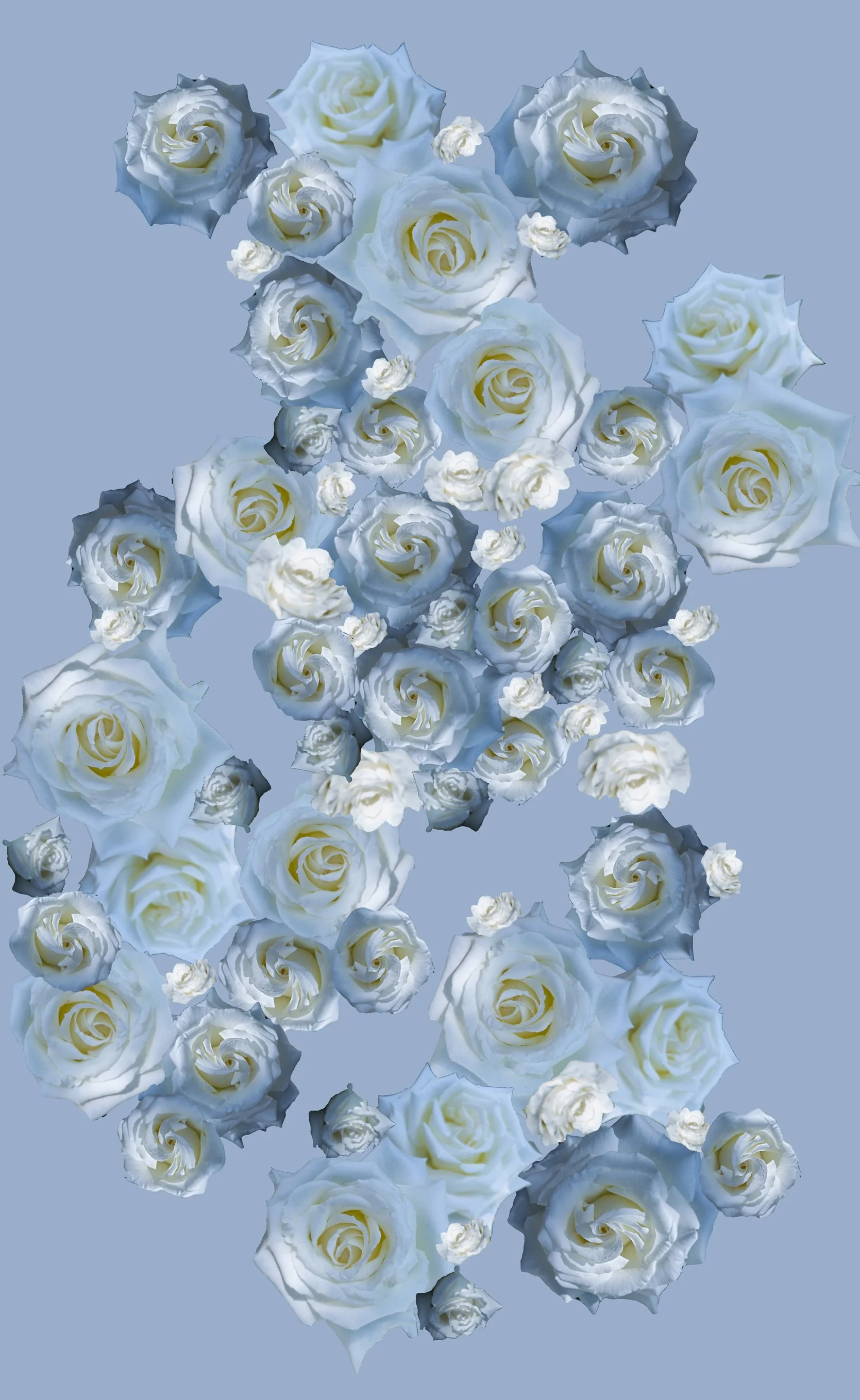
White Microflowers, 2023
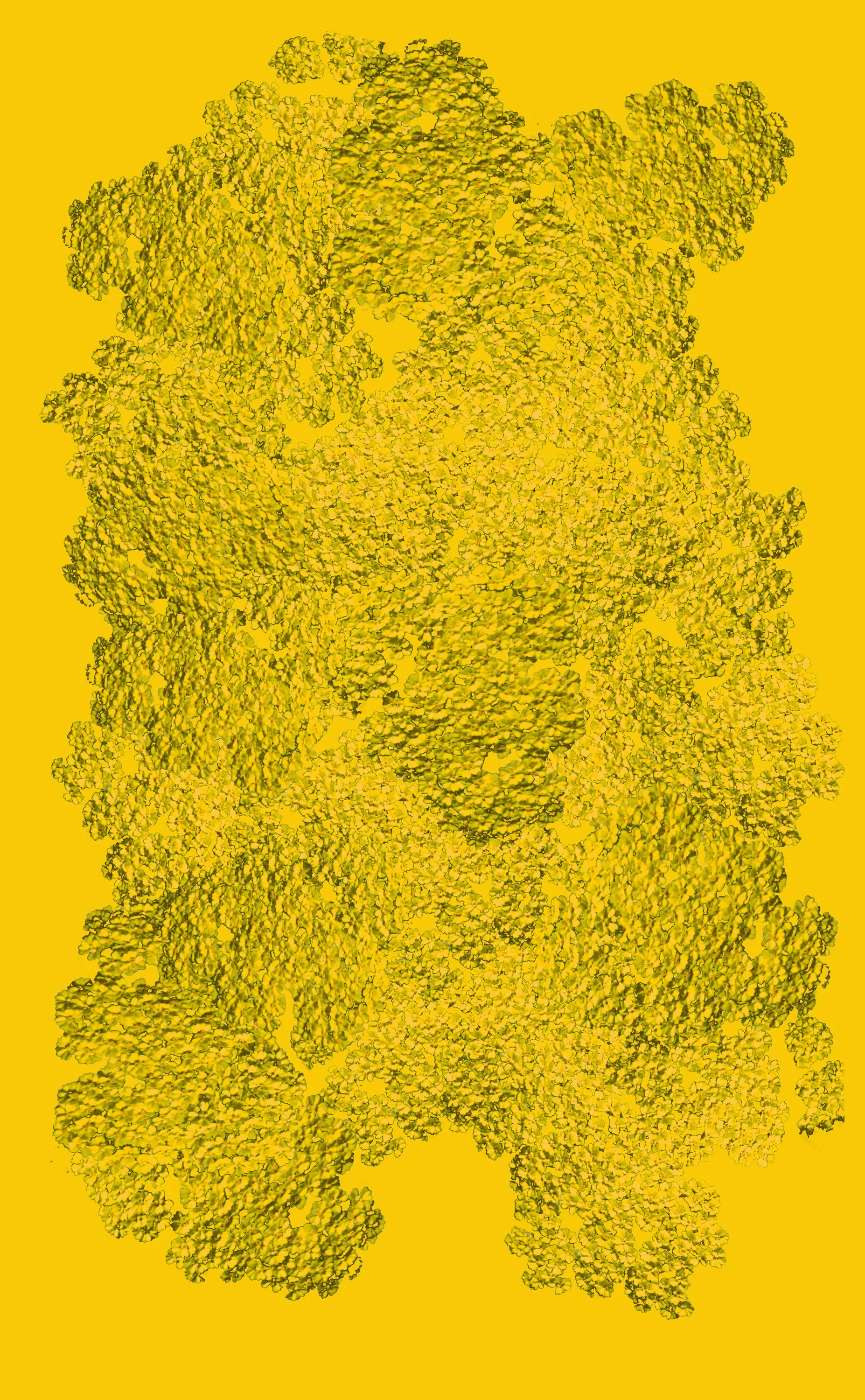
Yellow Lantana, 2023
Apologia, 2023
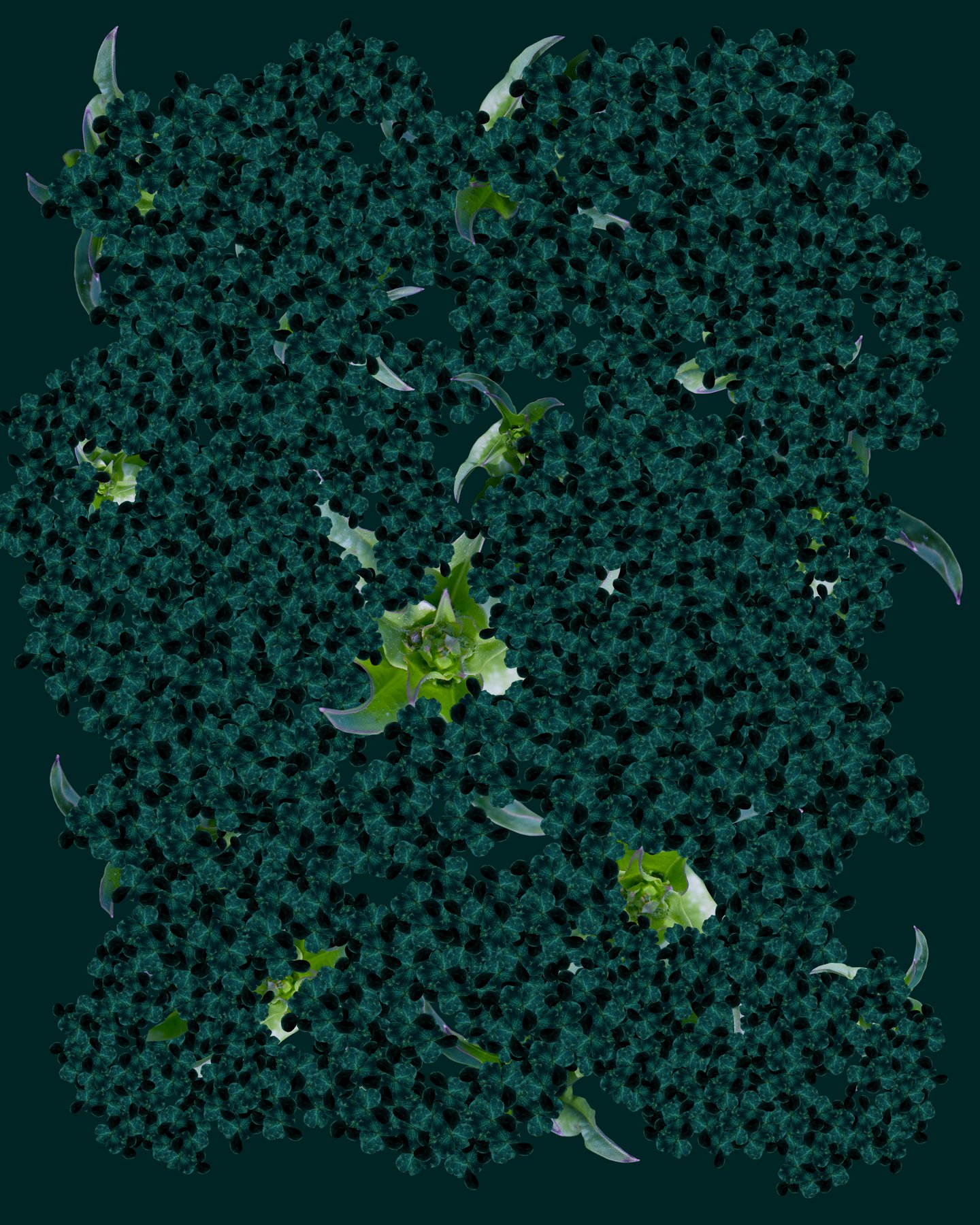
Doubt, 2026
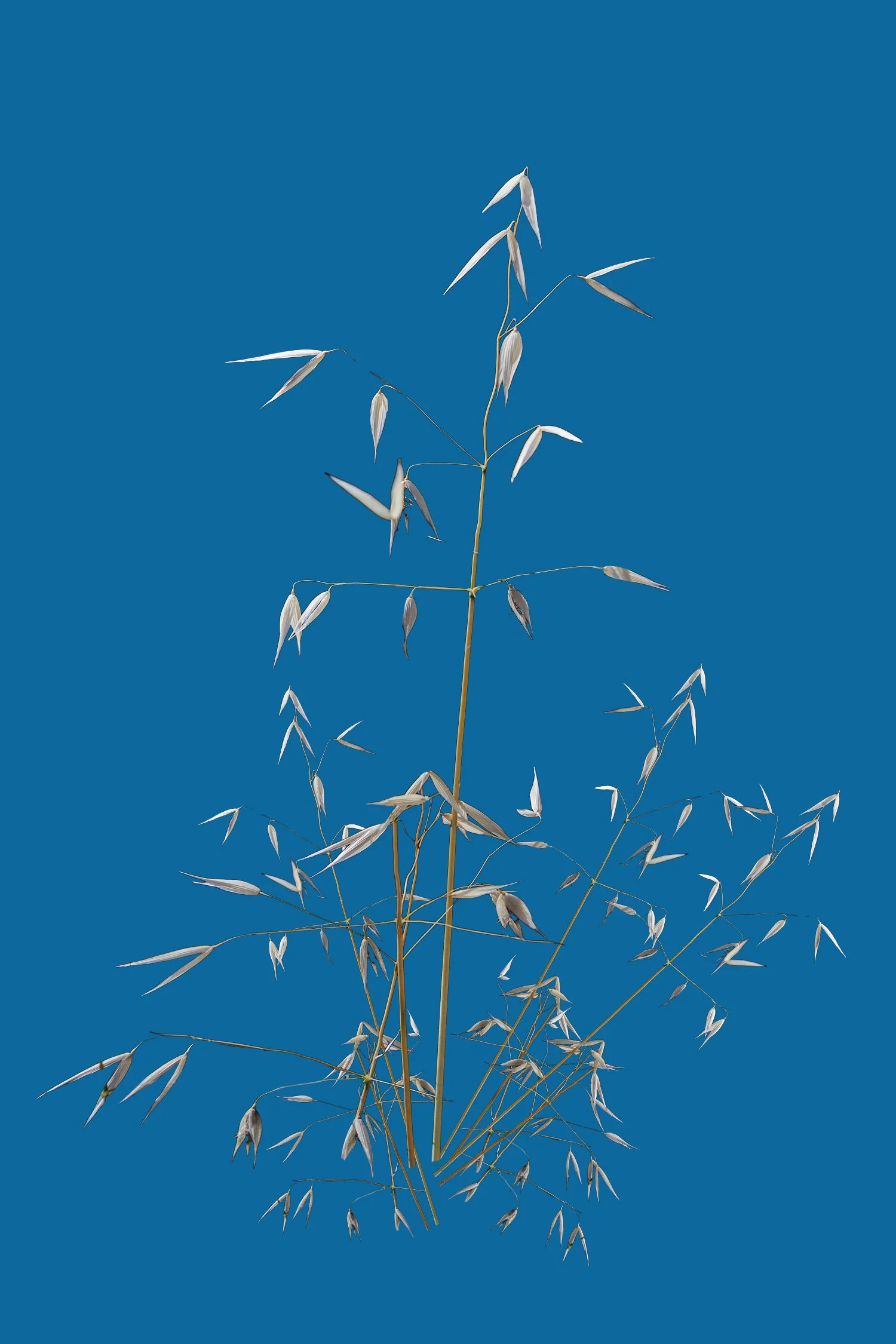
After the FireLet Go‍ ‍Good Day‍ Emergence triptych, 2024

Grace, 2025
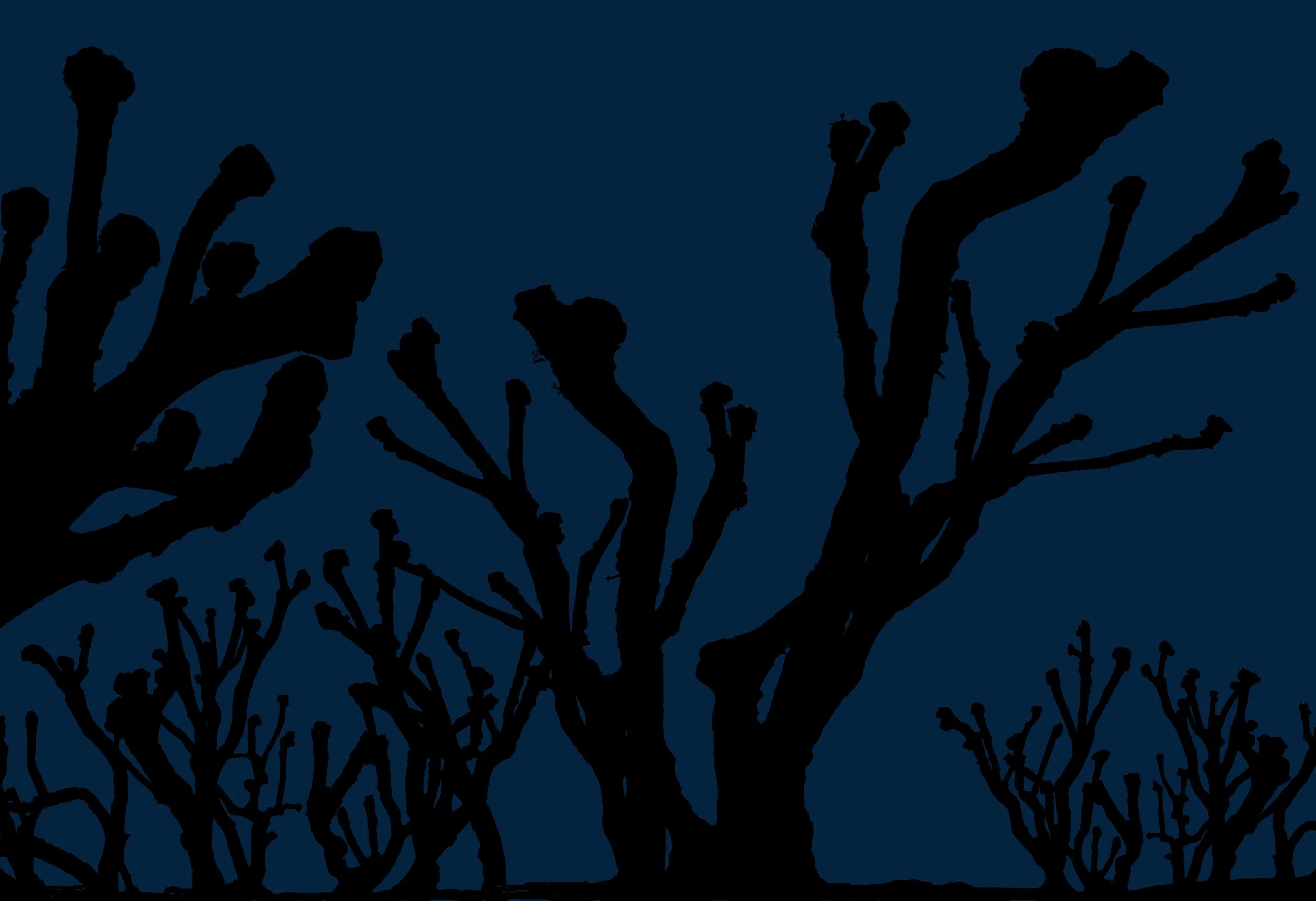
Resilience (Kiryoku), 2025
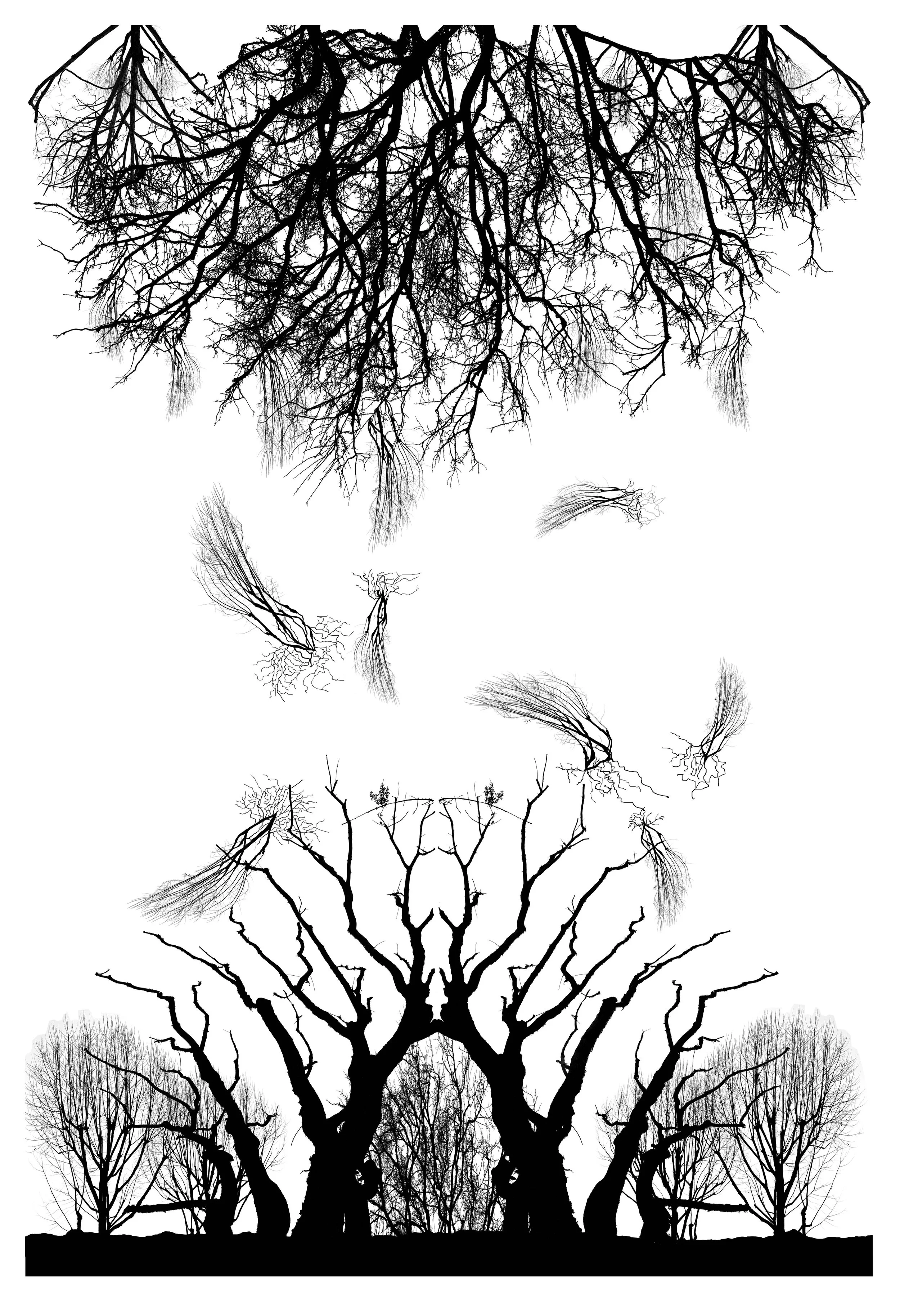
Badass, 2025

Hannah’s Depth, 2026
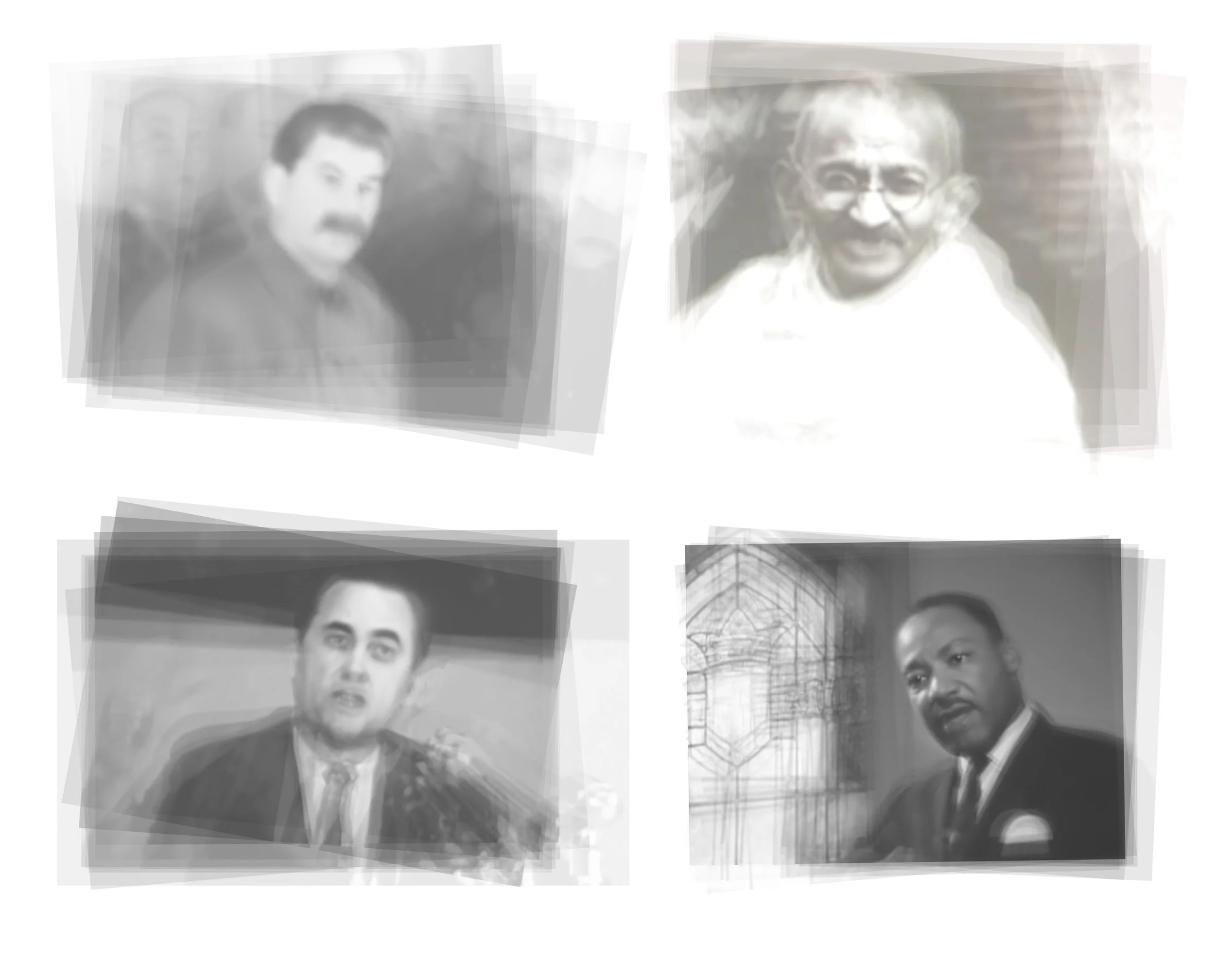
Loss of Memory

Neurologist note that when we pull up a thought from memory, we reconsolidate that memory physically in the hippocampus. Certain details are strengthened, others are lost. This concept informed this series. It seems to me that culture turns certain apex individuals into symbols. These are assemblages from speeches found on Youtube. Ten frames were extracted where the speaker’s eyes returned to the same location. I stacked and aligned the frames on their eyes.

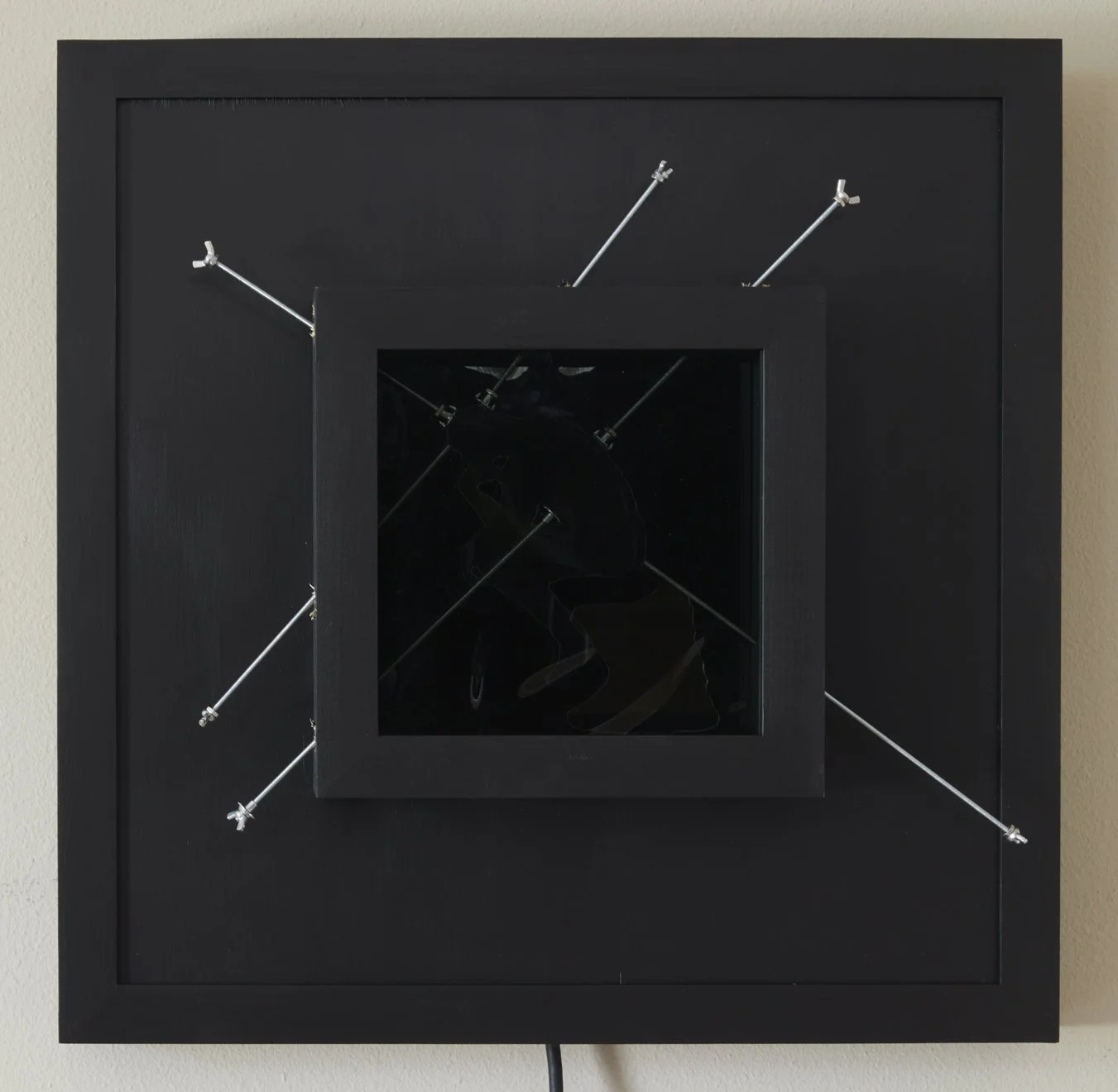
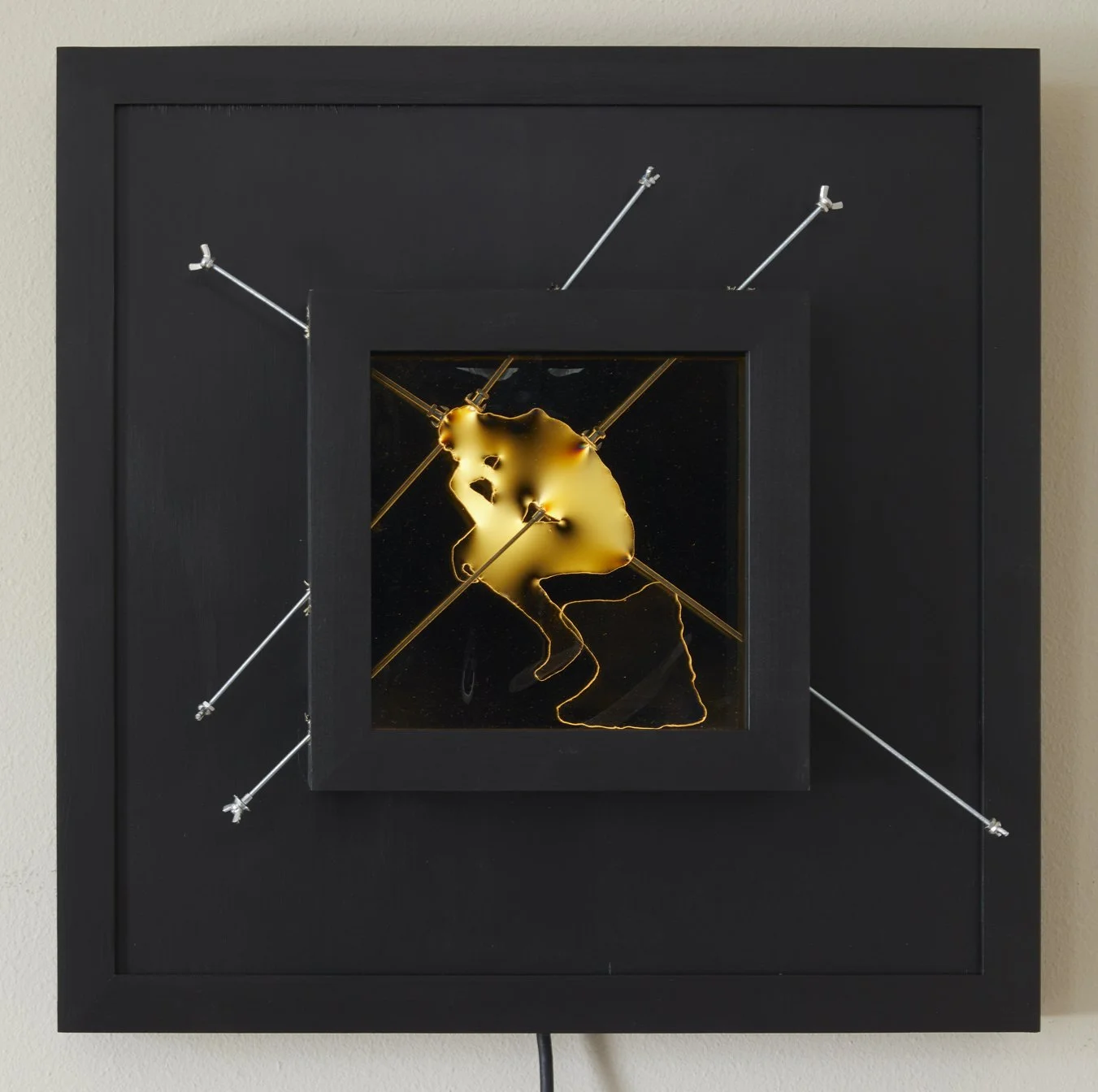
Good v Evil, 2026

This piece marks my move toward multimedia installations. The idea came to me in a flash and took a month to execute. It is a maquette (prototype) for a piece I want to make that will be substantially larger. I have a light box behind two linear polarizers, oriented 90 degrees from each other, which should block any light from passing through. In between the polarizers I have a polycarbonate (Lexan is one brand) cut-out getting squeezed by thumbscrews. An optical property of this material twists the polarization when stressed, the light can pass through the second polarizer. But the amount of the twisting of the light polarization depends strongly on the amount of stress.

It is a more complete and accurate representation of the constant sturm und drang I find myself in these politically ridiculous times.

When Words and Pictures Fail

2026, 2026

Lightbox, 2 linear polarizers, polycarbonate, all-thread and wingnuts, poplar frames and panel, 25.5- x 25.5- x 5.5- inches

Past Work: Photography and Scientific Imaging for NASA
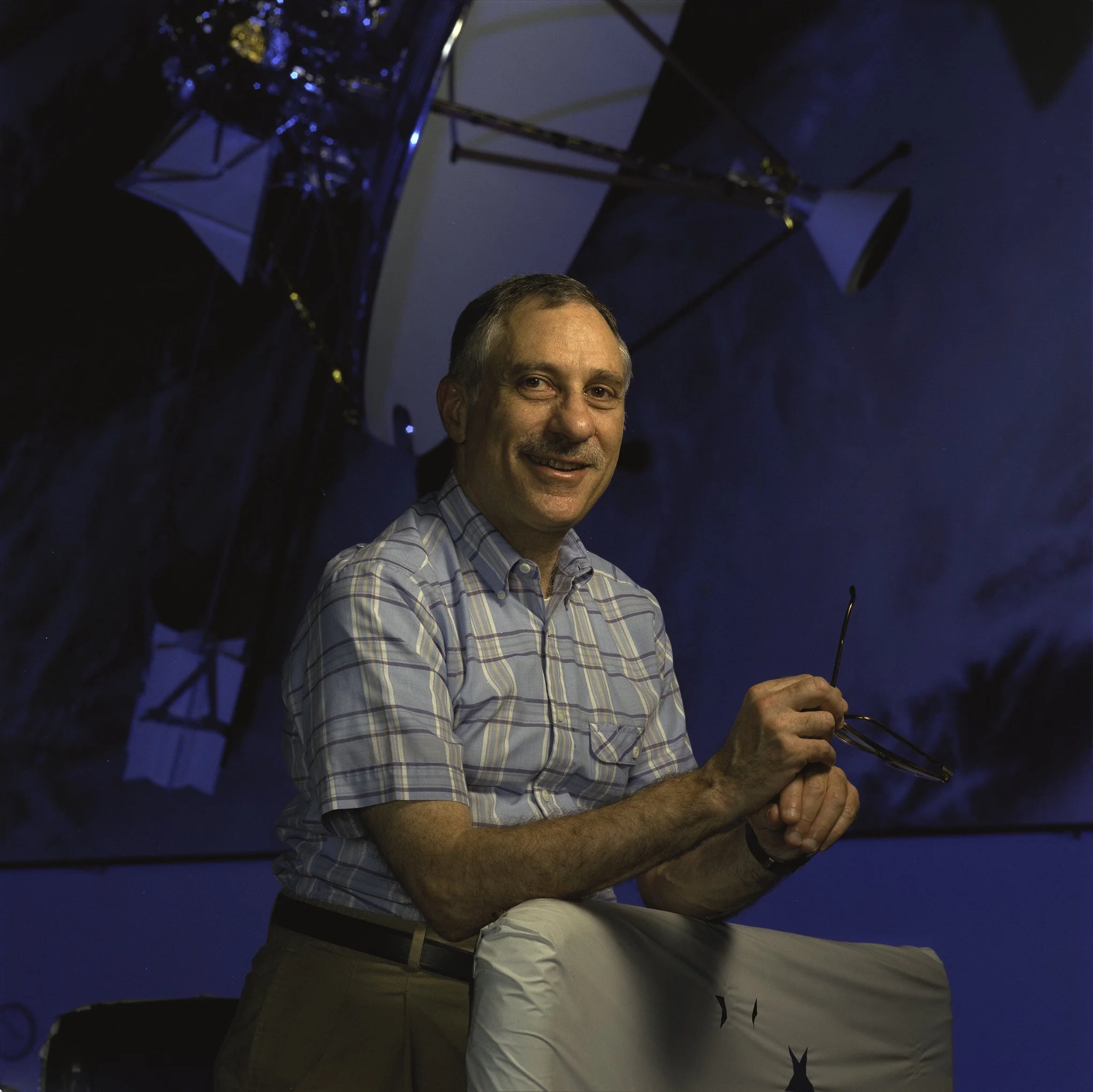
Dr. James Pollack, Astrophysicist, 1992
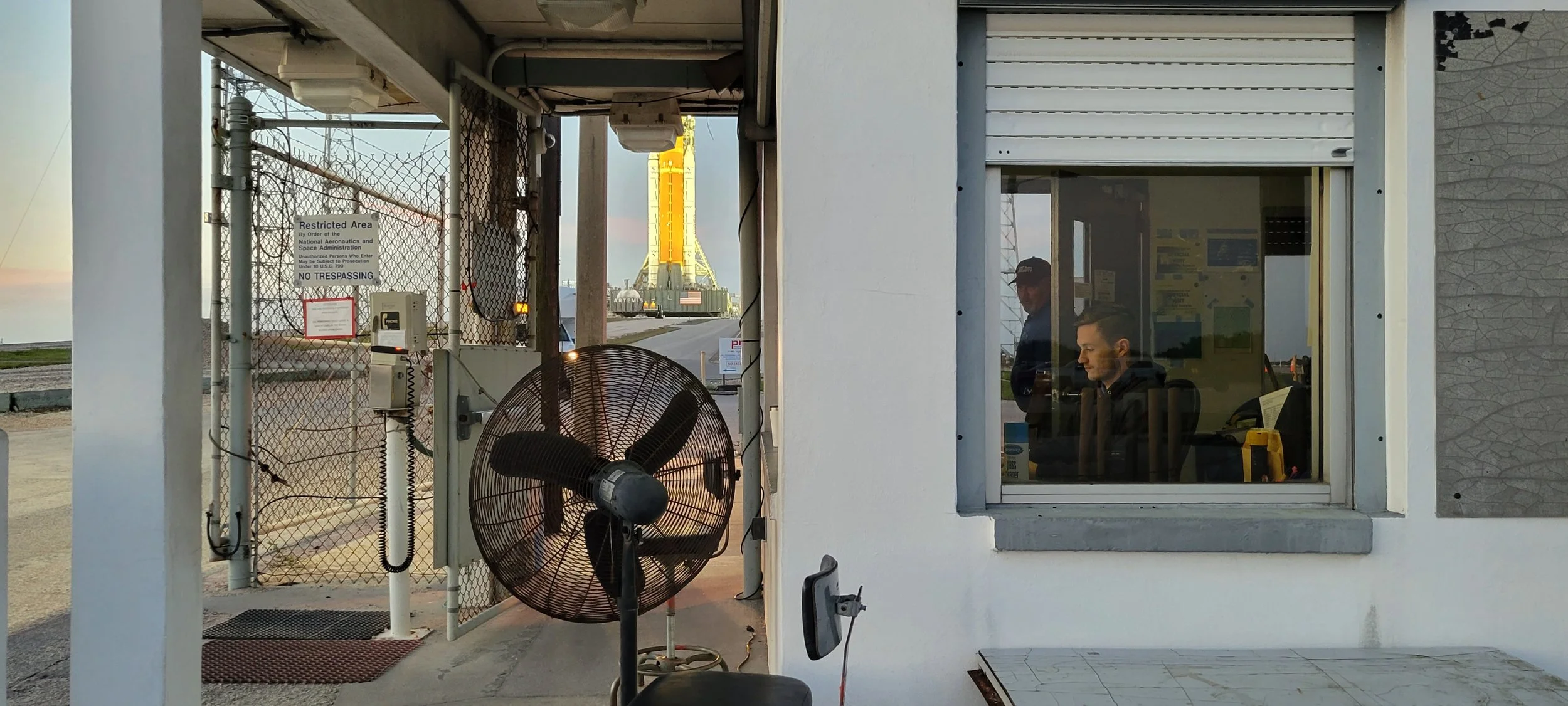
Sunday evening, Guard House at Pad 39B, Kennedy Space Center, March 2022
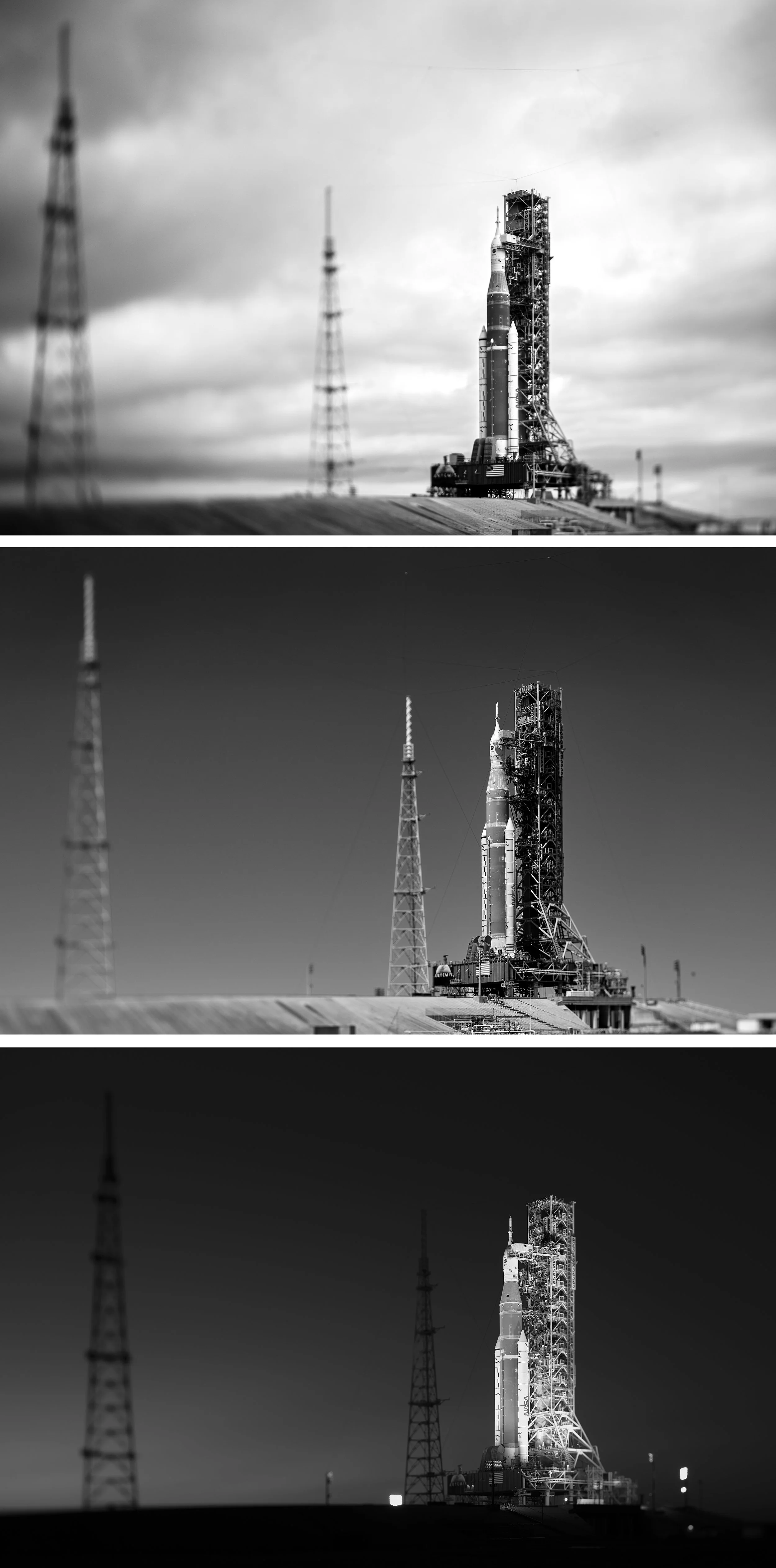
Three moods of Artemis I, March, 2022
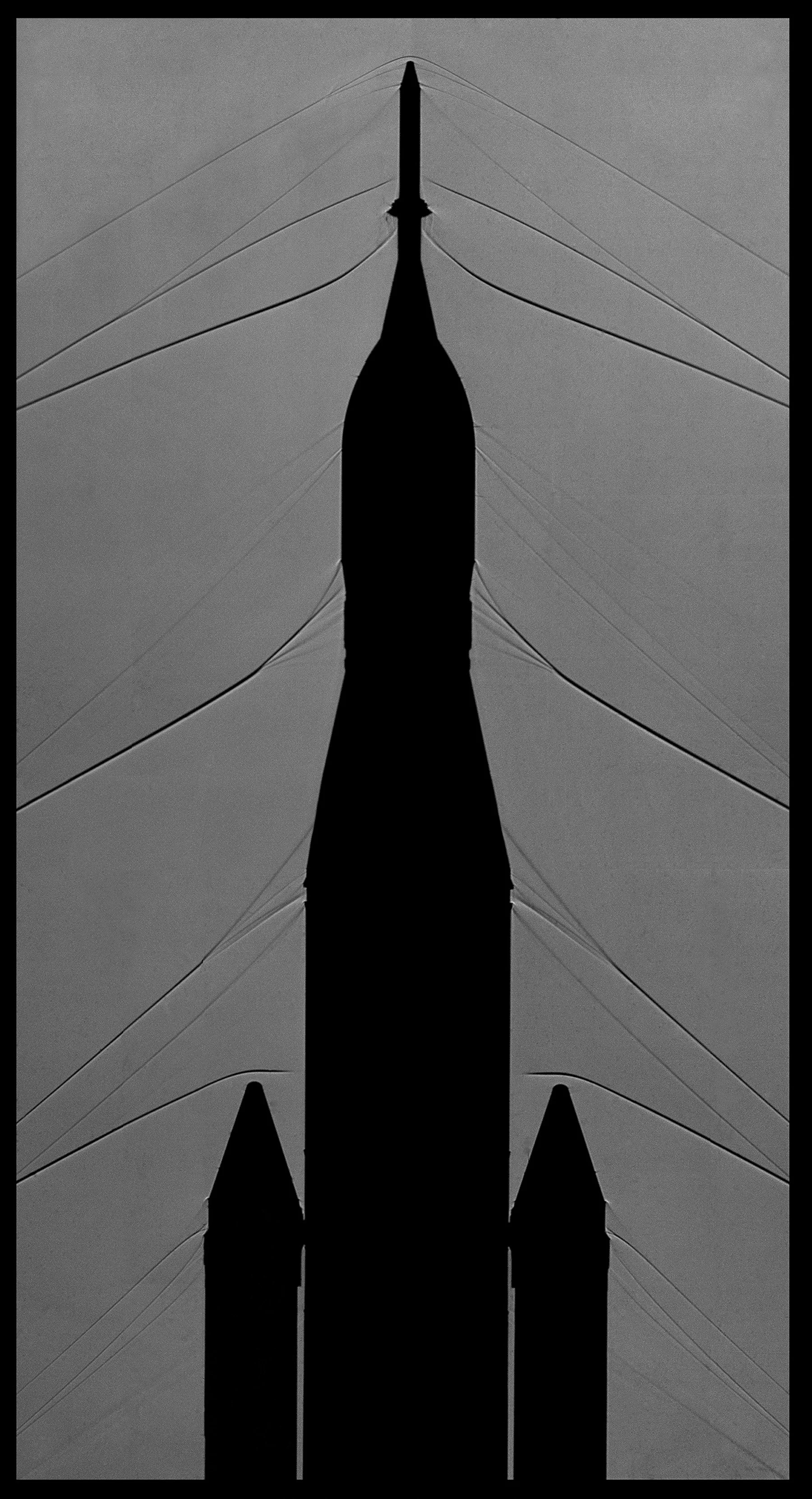
Artemis wind tunnel model Shadowgraphy

Mosaic of shadowgraph images of the Artemis model at M=1.2, NASA Ames 11-foot Transonic Wind Tunnel, 2018
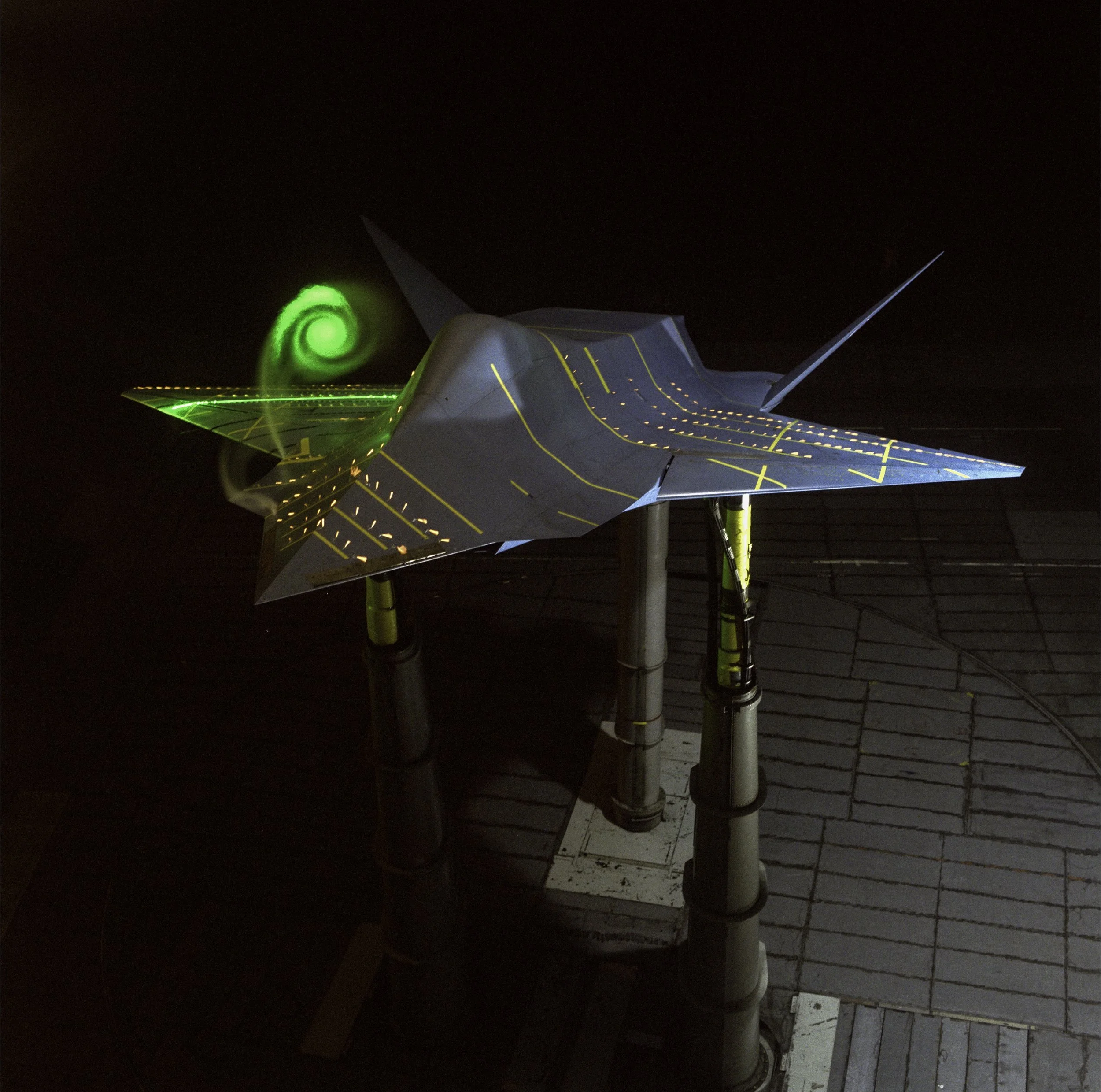
Vortex visualization with laser light sheet of a model, NFAC 40- x 80- foot Wind Tunnel, 1995
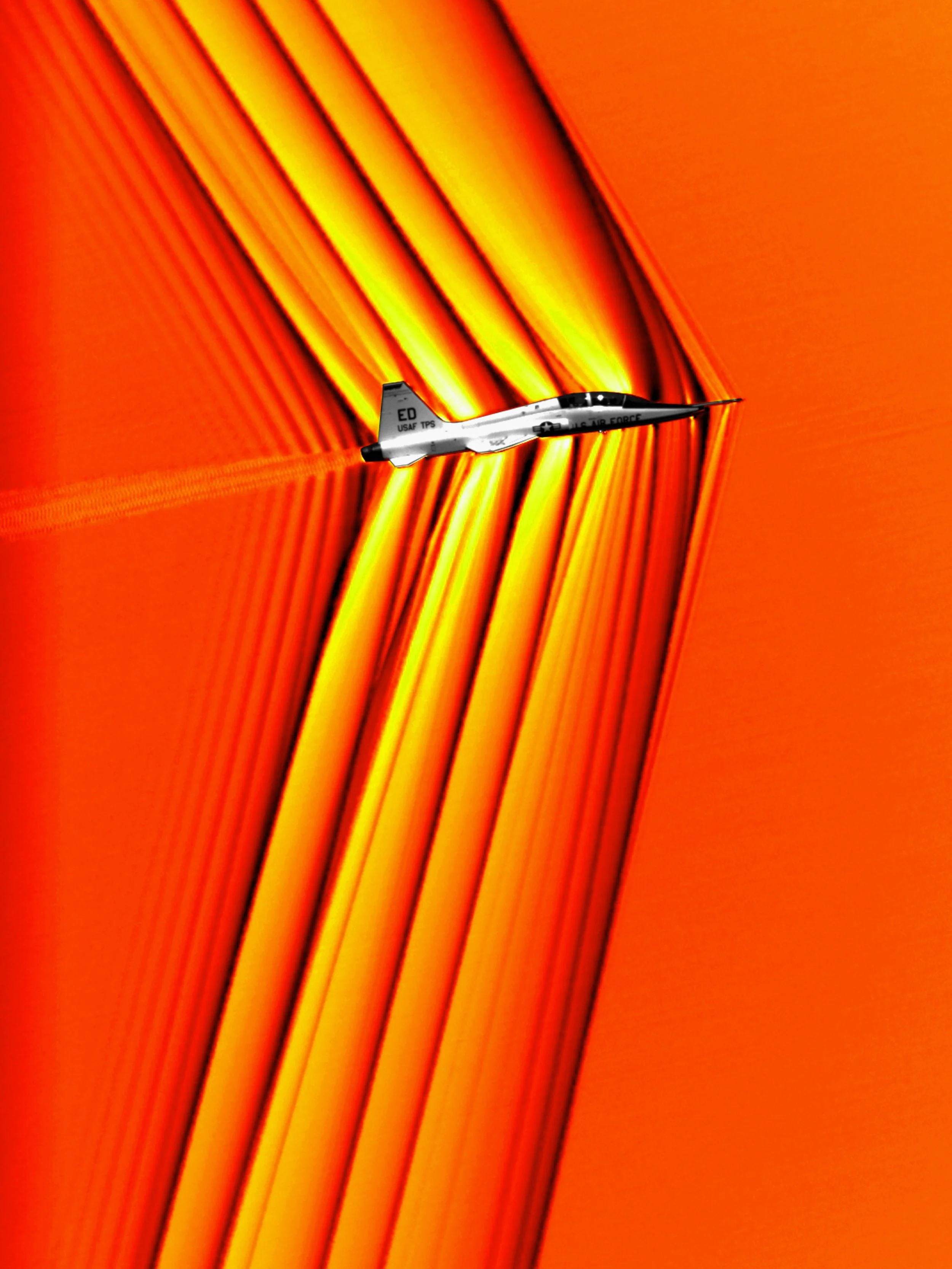
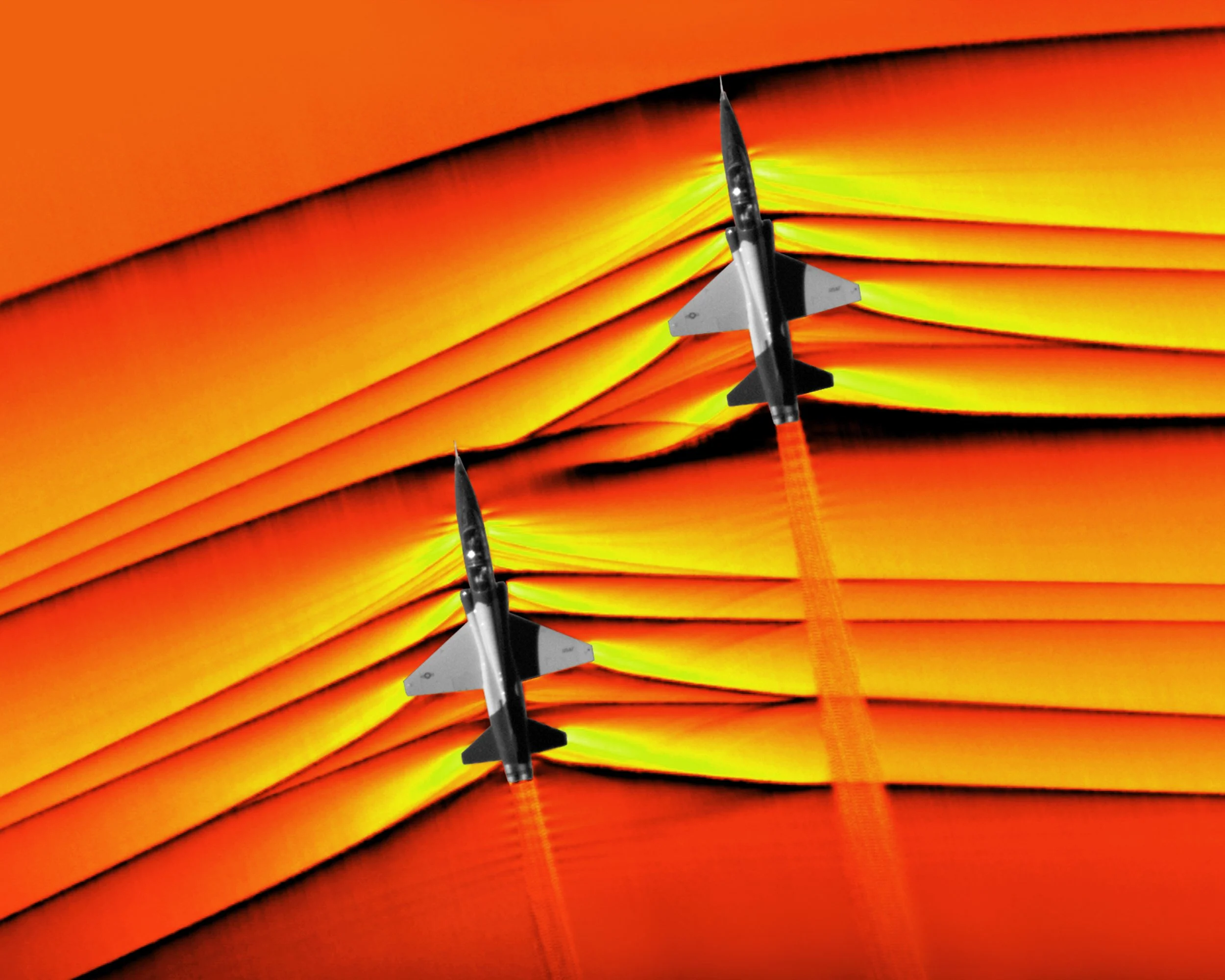
AirBOS image of T38 in profile at M=1.05
AirBOS image of T38s at M=1.01

Airborne Background Oriented Schlieren (AirBOS) images of supersonic aircraft in flight, 2019

Art before NASA

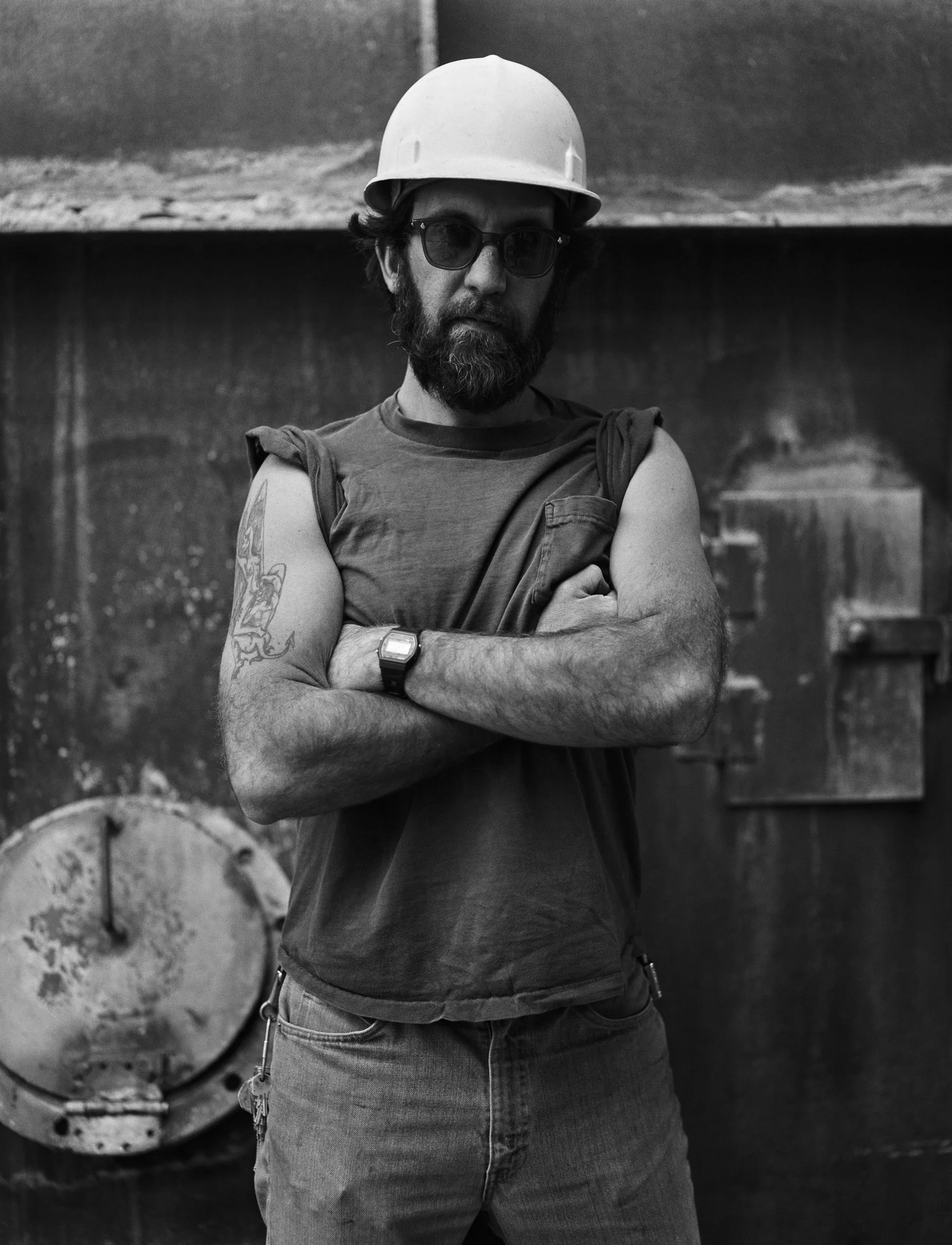
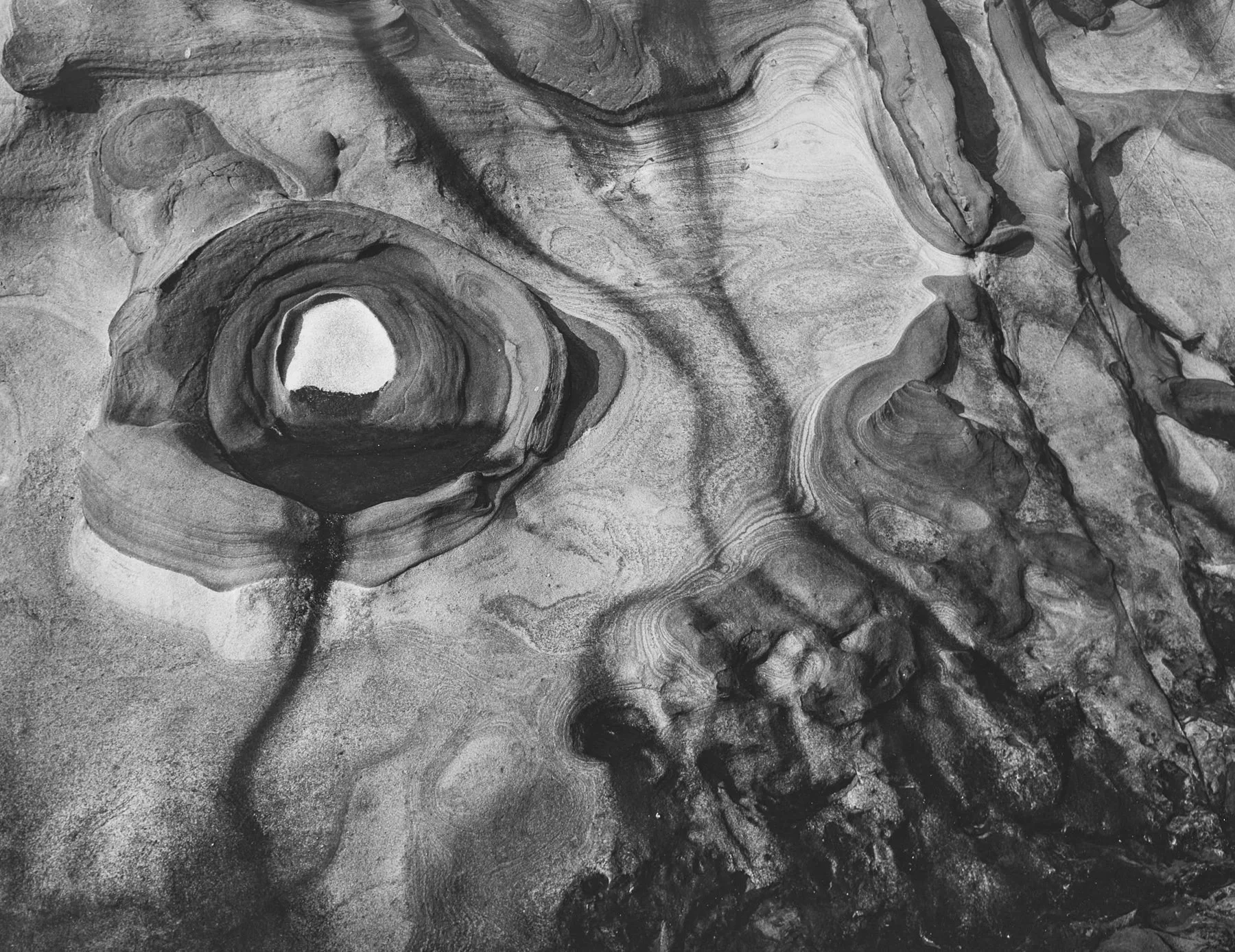
Large format camera work

Eric, Electrician, Victorville, CA 1983
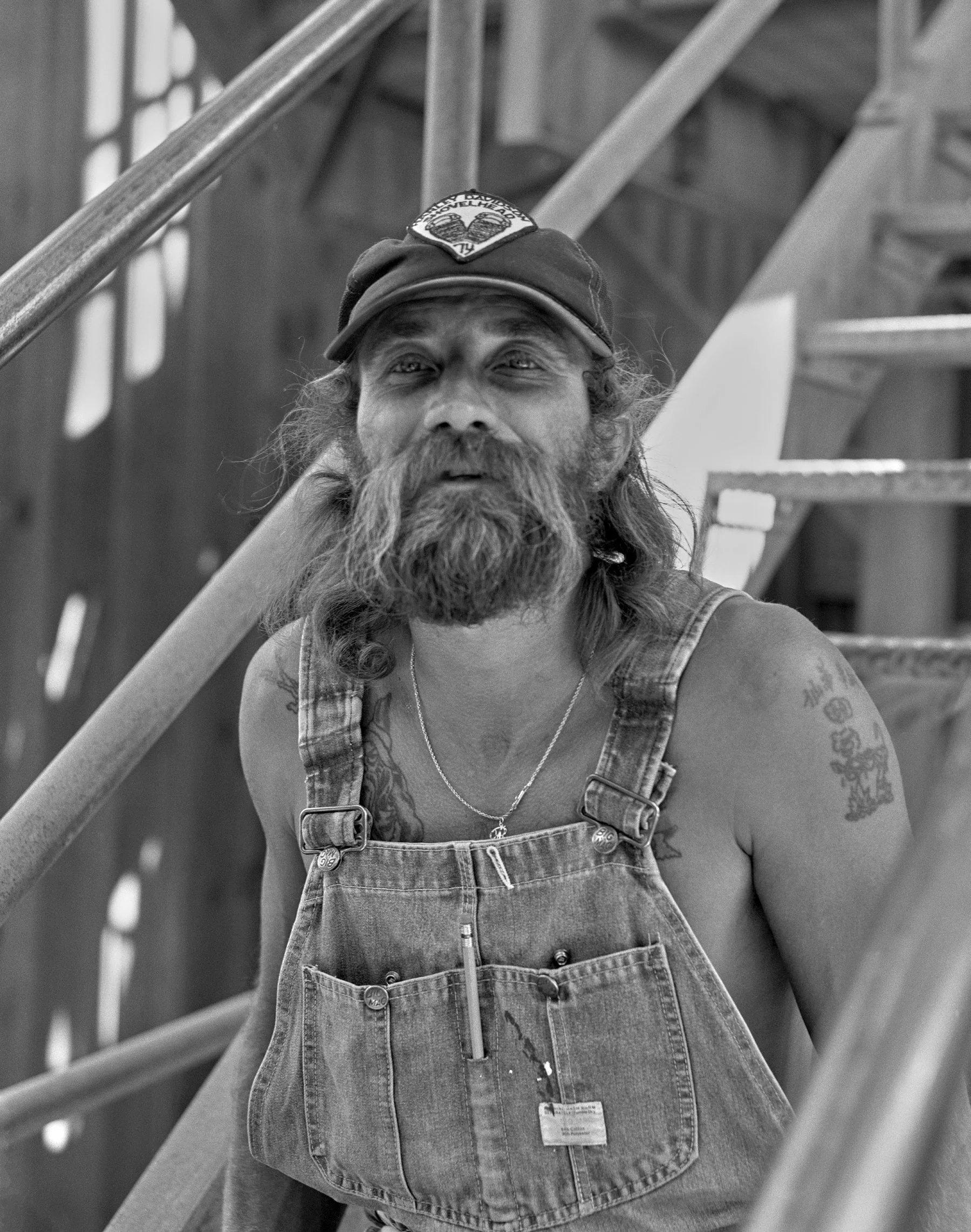
Yosemite Sam, Utilityman, Victorville, CA 1983
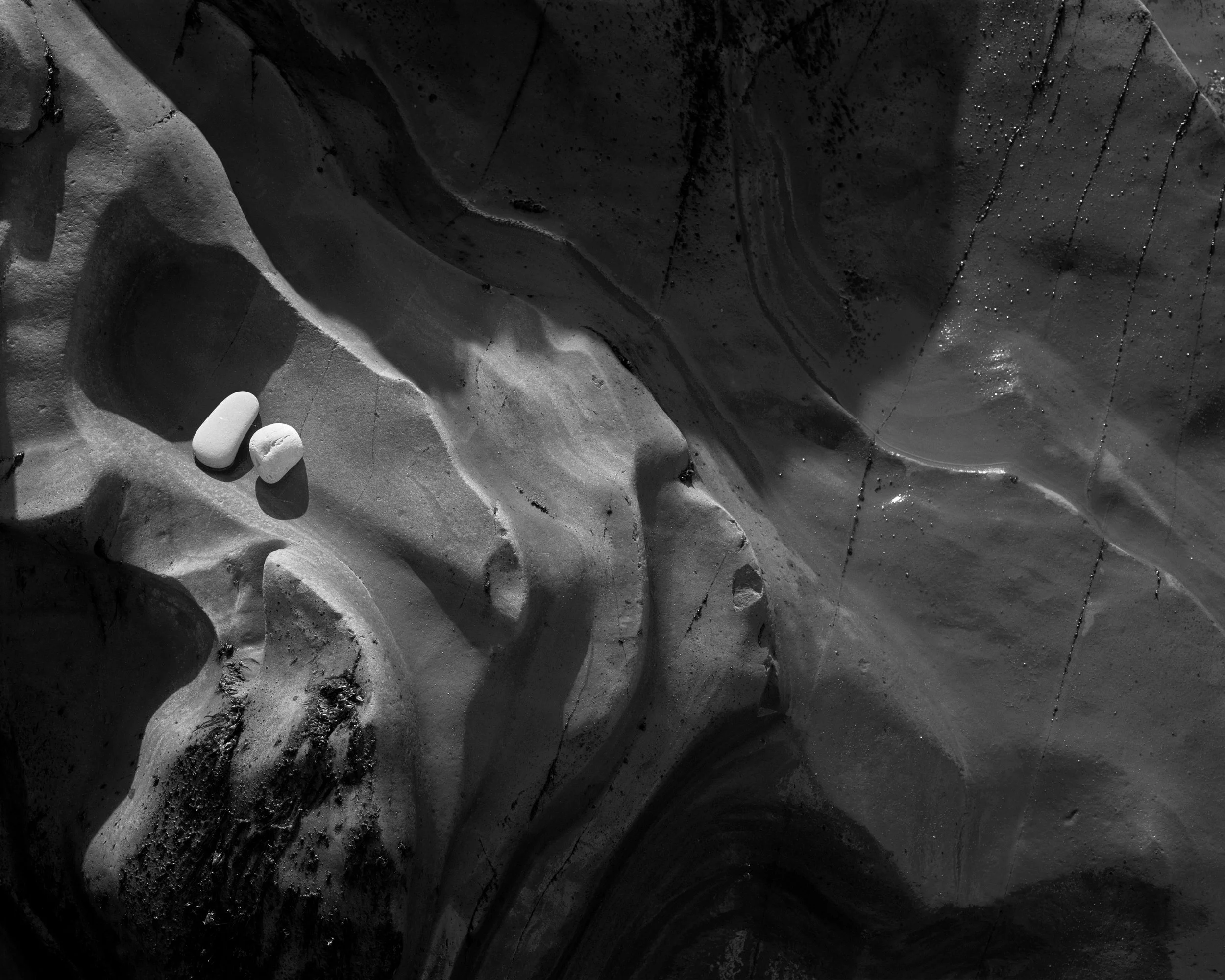
Two Stones, Montana de Oro State Park, CA 1985
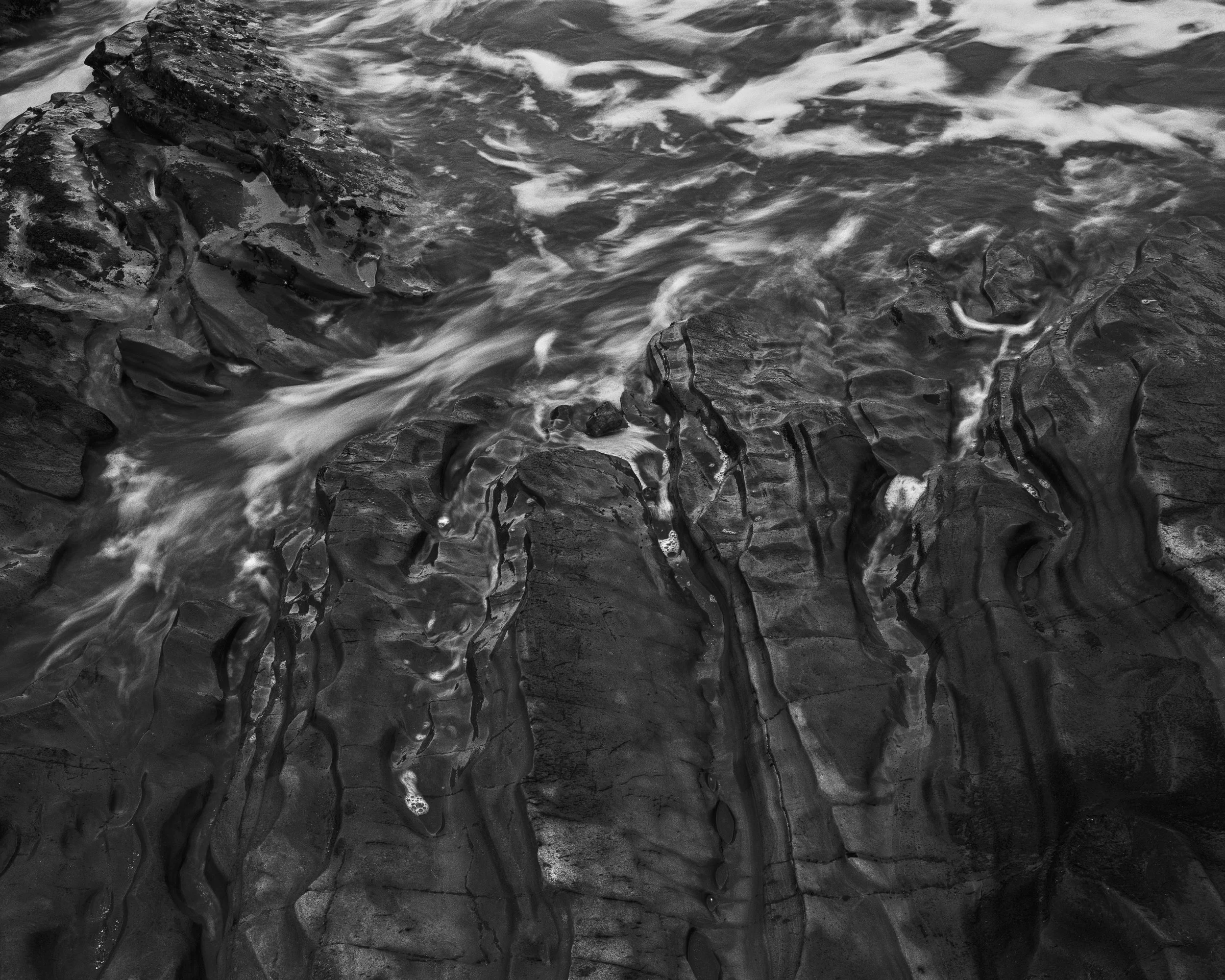
Wave on Rocky Shore, Montana de Oro State Park, CA 1985

Life Force Emergence, Point Lobos State Park, 1986

Questions, comments, general info, contact me: jtheineck@basicdaylight.com

Copyright (2026) JT Heineck, All rights reserved. NASA Images and data are in the public domain.